🤖 I'll show you how to edit 1,000 images in 5 minutes
I'll share with you how you can save dozens of hours by teaching AI how you edit your images. I'm also announcing 2025 dates for my popular photo tours.
View original emailMarch & April 2024 newsletter
We're back in Prague and arrived just for the beginning of spring. Even though that mostly means pollen allergies for me, it's still my favorite time of year in the Czech Republic.
It's not cold and not too hot, nature awakens from hibernation, and beer gardens slowly start to open up, which brings more opportunities to meet up with friends. What does spring mean to you?
In this newsletter, I'm going to touch on:
- using AI to speed up photo editing,
- announce new dates for 2025 photo tours,
- inform you about my recent accomplishments with my Prague photo tours,
- and share inspiration from Amsterdam.
using AI to speed up photo editing
announce new dates for 2025 photo tours
inform you about my recent accomplishments with my Prague photo tours
Let's get started!
Affiliate disclaimer: This newsletter includes affiliate links. If you sign up using my affiliate links, you will receive free credits and support my effort at no extra cost to you.
How you can save a TON of time on editing using AI
I am a tech nerd. I have been following trends in technology development for two decades, and when generative AI led by ChatGPT arrived in late 2022, I was thrilled.
I am also a productivity freak, and I like to optimize everything. AI can help one streamline many things. I use it regularly now to perform various tasks, from text generation (this newsletter is still written by me, in case you’re wondering :-) ) to getting summaries and key takeaways from long YouTube videos and podcasts, analyzing PDF documents such as stock sales reports, removing incidental objects or people in Photoshop, and so on.
I wanted to know how AI could help me edit my photos and speed up time-to-market for the photos I post-processed in Lightroom. I ran a Google search and found a solution: There is software that learns how you edit your photos in Lightroom and applies your style to new images. Then, it syncs with your Lightroom catalog and “moves the sliders” for you.
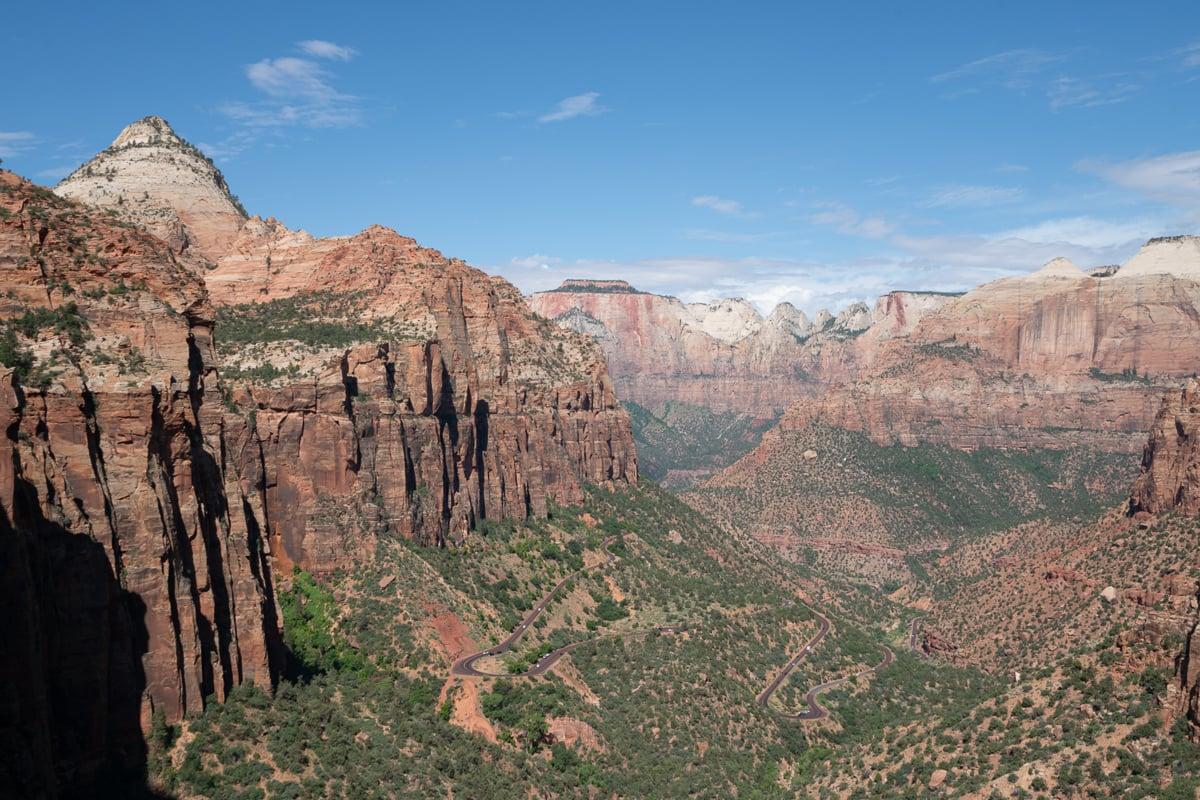
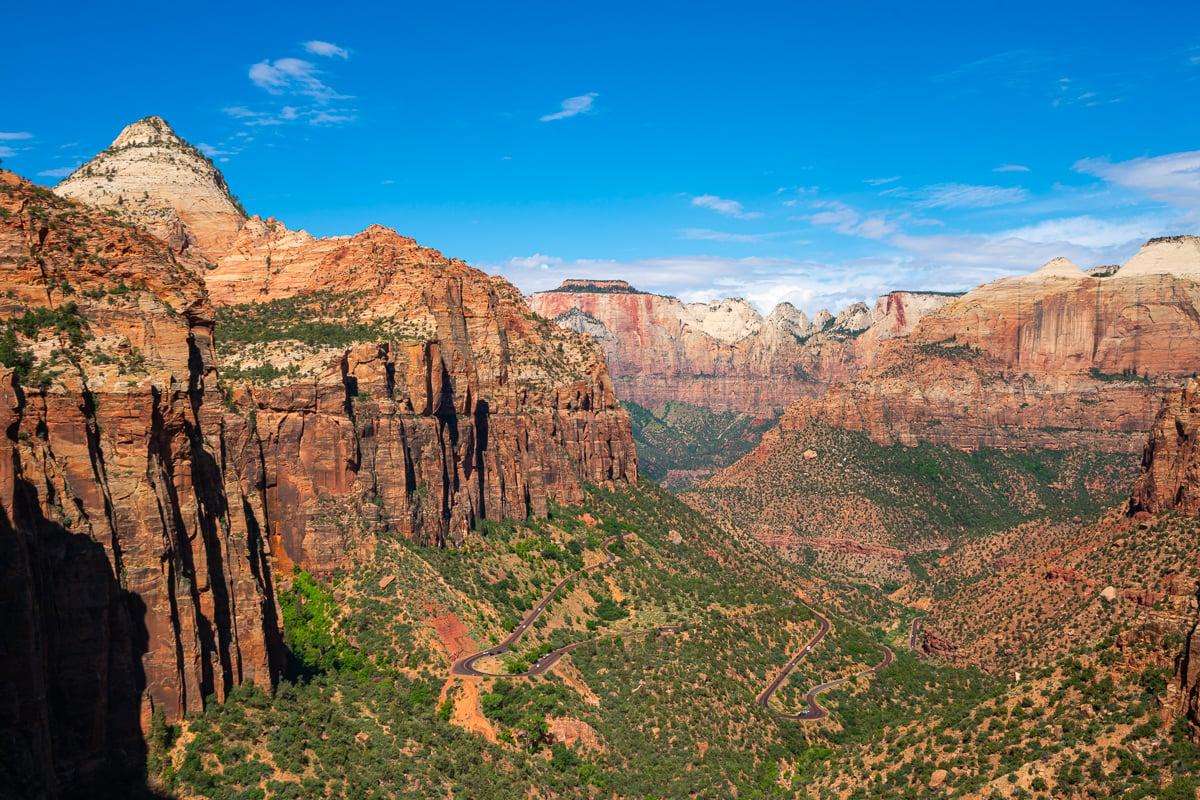
Before/After: From the RAW file to edited version using Imagen AI
You still have your final photos in Lightroom. You can readjust the editing using sliders as you see fit, and it doesn't disrupt your regular workflow.
Costs
It's also very affordable. Tens of dollars for hundreds of photos. I edited 300 photos for my latest project, which cost me about $15 ($0.05 per photo).
I saved about 2.5 hours of my time (that's hiring someone for $6/hour who can mimic your editing style and doesn't get access to your RAW images).
Software I tested
I tried two pieces of software that integrate with Lightroom Classic: Imagen AIand Neurapix . I tested both about six months ago, and at that time, Imagen AI produced images I liked better, so I kept using it.


But because the algorithms behind neural networks are ever-evolving “creatures,” you should try both and see which one you'll like better now.
How does it work?
- You provide a collection of 3,000 images edited in Lightroom to Imagen AI. It uploads smaller versions and learns your editing style from them.
- It creates a customized profile for you.
- You upload RAW photos to Imagen AI, and in a couple of minutes, you download the edits (meaning how the individual sliders are adjusted) to your Lightroom catalog with a single click.
- You fine-tune the images in Lightroom, and they are ready to publish.
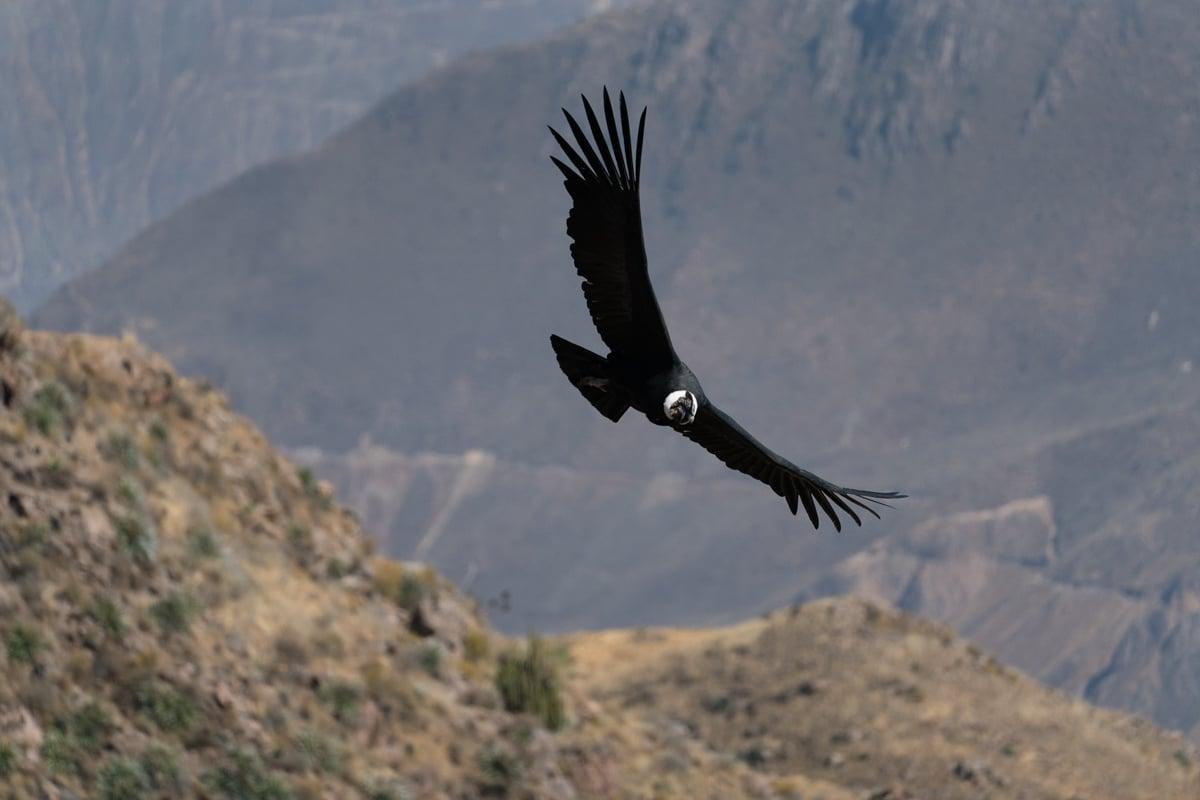
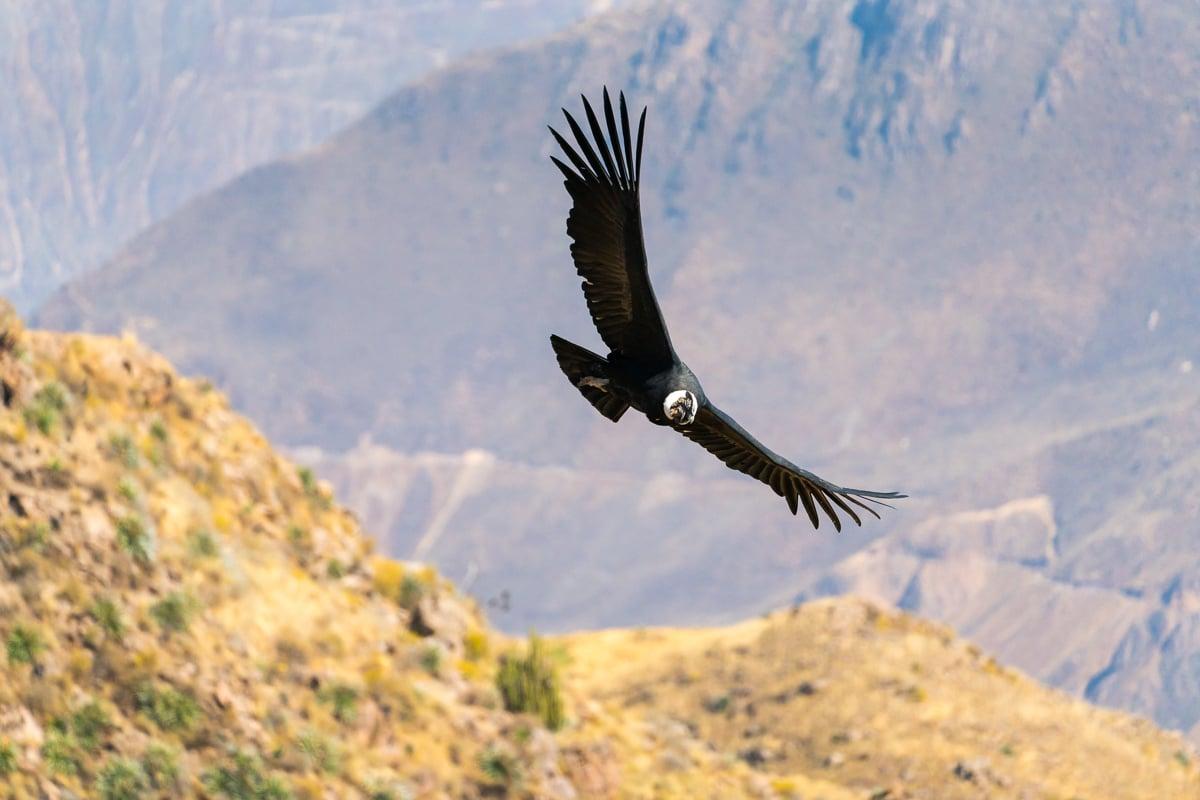
Does it work perfectly?
I still see room for improvement, especially in travel photography. The tool originally aimed at wedding, portrait, or real estate photographers - generally, photographers who often deal with many similar photos. However, travel photography is a broad genre with different editing approaches.
What I miss at the moment:
- Editing uses Lightroom’s sky, object selections (it supports person selections), and gradual filters. I use them a lot, and based on what I learned from the Imagen AI team, they will be supported in the future.
- Better utilization of transformation to fix verticals and cropping afterward.
- Dust spot removal.
- Better noise reduction.
How do I work around the current limitations? Here's my process:
- I check all images for sharpness and eliminate blurry photos.
- I check all images for composition, and if I have a series of similar images with the same composition, I choose the best of the set based on composition, incidental people, and better sharpness.
- I create a collection of photos that AI will edit and send it to Imagen AI. Then, I download the edits to my Lightroom catalog.
- I apply sky selection to all photos with minor settings such as -0.20 exposure and -0.20 highlights.
- I apply auto transformations to all photos, review the images to check the transformations, and adjust or crop images where necessary.
- Now, I have images that are “good enough” to send to my editor for selection for their photo library.
- I work further on the images selected by an editor: I retouch the dust spots, fine-tune the edits, and apply more local adjustments if necessary.
- I submit the fine-tuned images to Imagen AI so it can keep learning and deliver better results in my next projects.
- I export the final high-resolution images and send them to the editor for publishing.
Get help with culling
You may have noticed that I don't worry about culling so much; I leave it up to the editor. Imagen AI can also cull your images and edit only the selection. I tried it on one travel photography project but wasn’t very happy. But I haven't tried it with portraits, wildlife, or wedding shots where it may truly shine.
My thought on AI-powered editing
Imagen AI (or Neurapix) doesn’t edit your images without your input. The software allows you to use somebody else’s editing styles, but that’s not what I want to do.
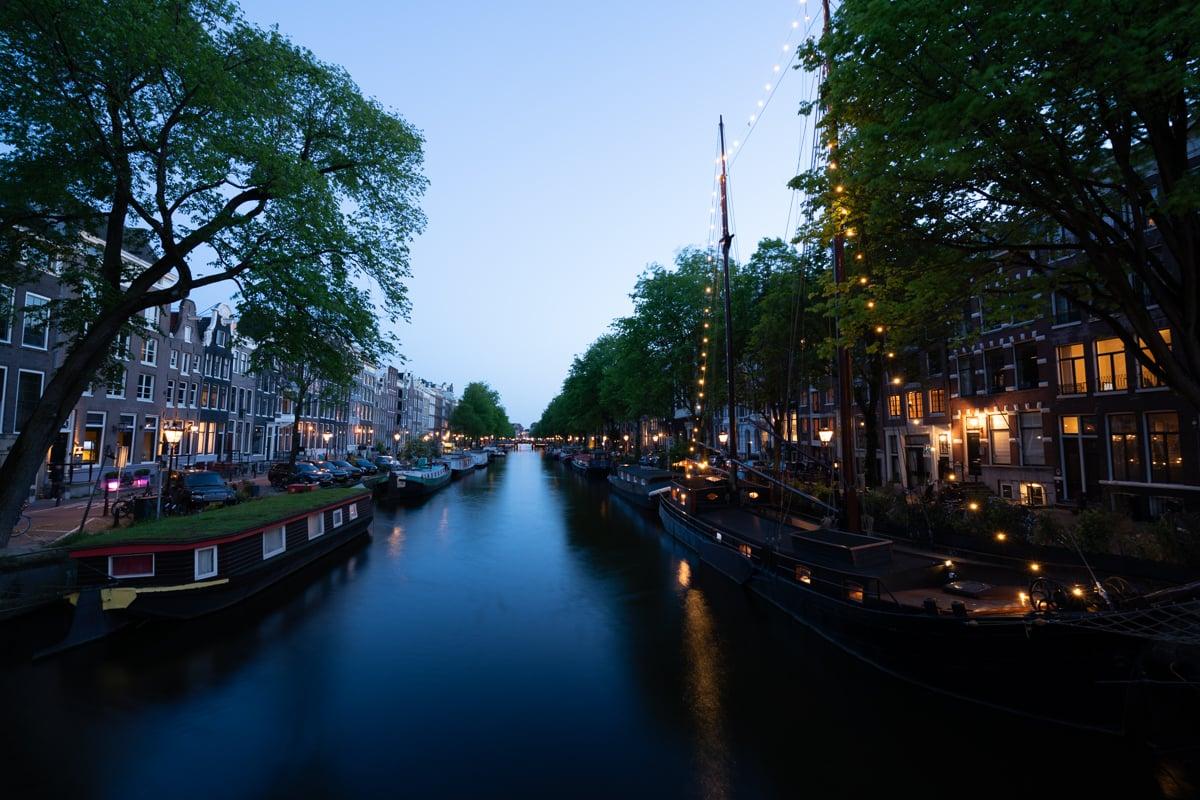
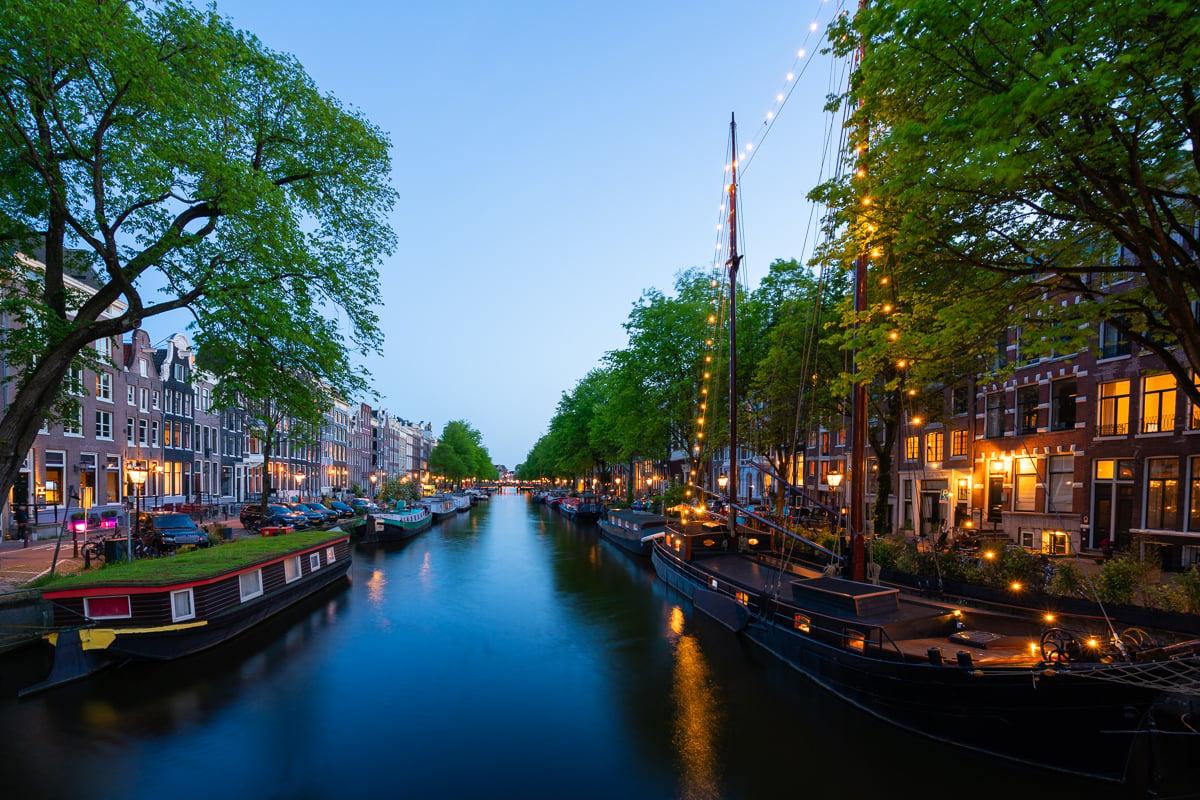
I love that it uses my editing style and does more or less what I would do manually in Lightroom. If I show you two of my images—one edited entirely by myself and the second with AI—you won't tell the difference, and that's the point!
Who will benefit the most?
Those who:
- Have developed a consistent editing style.
- Need to produce hundreds or thousands of decently edited photos, as opposed to fine-art landscape photographers who typically choose one perfect shot from a shoot and meticulously edit every aspect.
- Want to speed up the editing process and value their time.
- Don't necessarily enjoy spending hours in front of the computer.
Check out the free trial of both Imagen AIand Neurapix to see how they work on your shots. Let me know in the reply after you've played around with it for a while what you think and which one you like better.
2024/25 photo tours
I have announced new dates for 2025. Join me for great photo adventures in:
- Cappadocia (September 18-18, 2024)
- Scotland (October 4-12, 2024)
- Iceland (November 25 - December 3, 2024)
- Tuscany (March 21-26, 2025) - NEW
- Scotland (October 1-9, 2025) - NEW
Are you a member of a photo/camera club?
I'm looking for outlets to promote Shuttermoon photo tours; the obvious places with the best fit are photography and camera clubs. Please let me know if you are a member and if you can connect me with your club's leader.
I'd like to pitch them partnership opportunities that would result in better tour prices for their members and/or booking me as a speaker to share my travel photography lessons with the club.
Your help would be much appreciated!
It's time to brag! :-) I received fantastic news for my Prague photo business earlier this year. My tours were awarded:
- The Best Tailor-made Tour Company in the Czech Republic in 2024 by Travel & Hospitality Awards and
- The Best Photography Tour Operator in Prague in 2024 by LUXLife's Magazine.


These accomplishments always motivate me to work harder. I want to thank everyone who took my tour and left a review because this is quality social proof that judges have to look at without their personal experience. Thank you from the bottom of my heart!
Inspiration from Amsterdam
Amsterdam has been on my bucket list for many years, and when I could trade my miles for a (not-so-free) ticket, I was down. I visited the city of the “Never-ending Maze of Canals” for four days in May last year, and I’m happy to share some of my favorite shots with you.
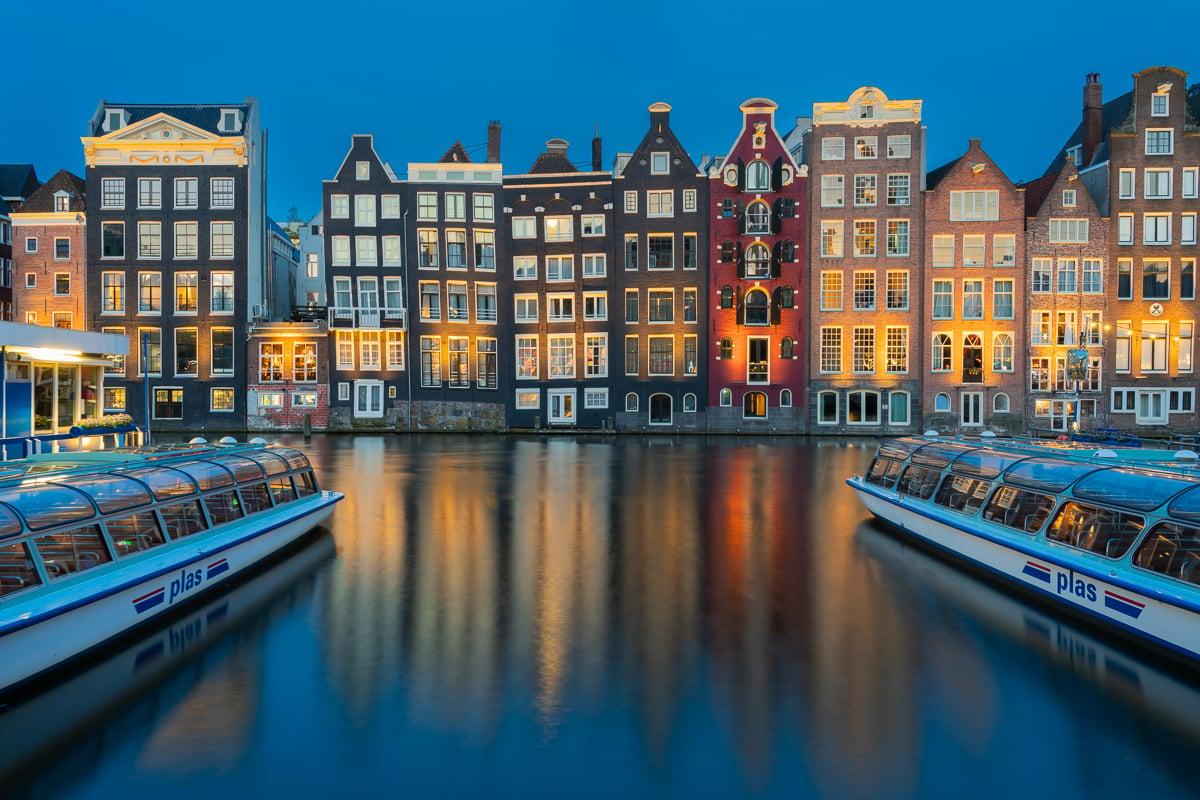
Narrow houses at Damrak. 31 mm, f/11, 13 sec, ISO 50
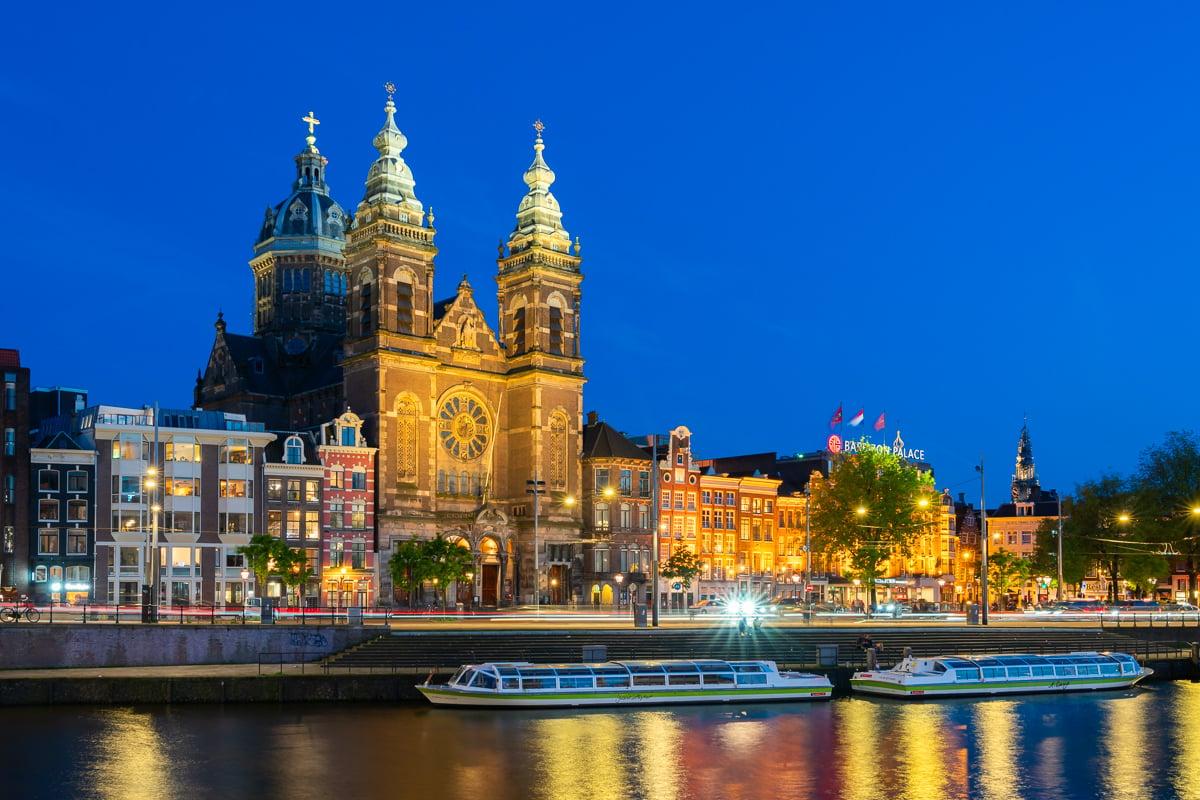
Basilica of St. Nicholas. 30 mm, f/11, 5 sec, ISO 200
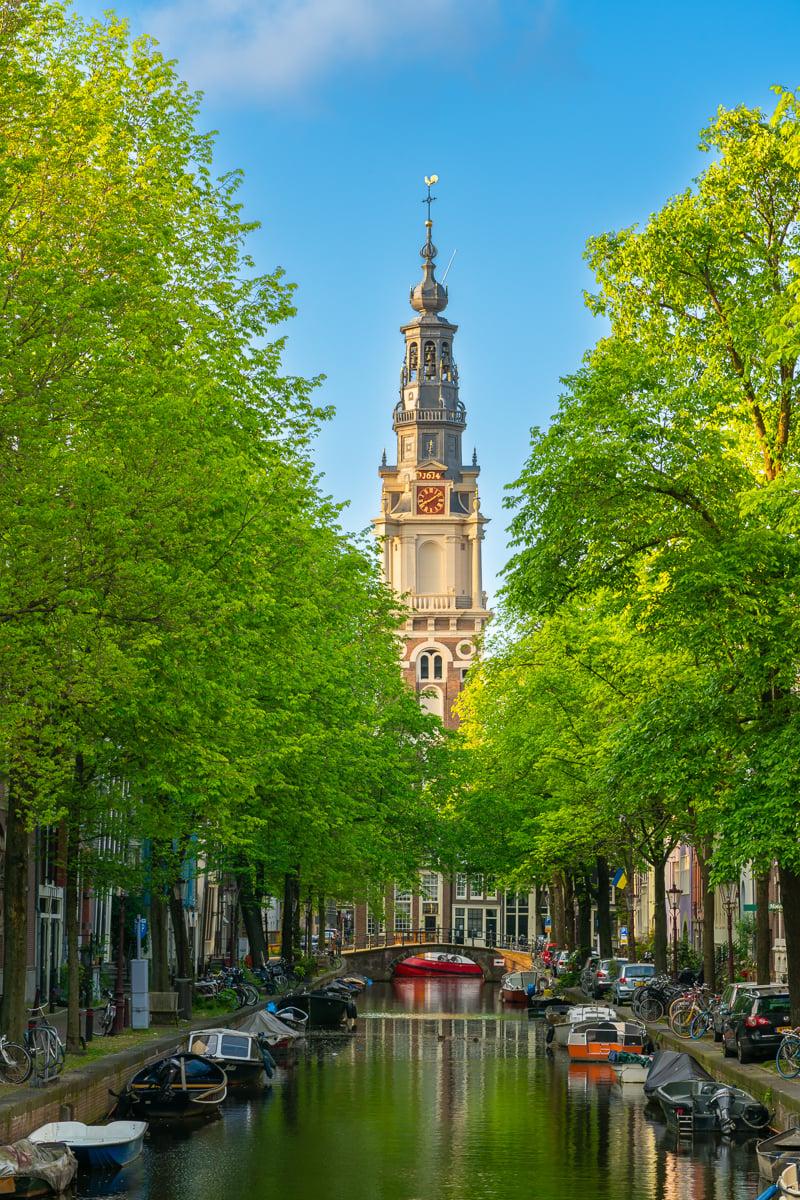
Zuiderkerk Tower. 79 mm, f/11, 1/25 sec, ISO 100
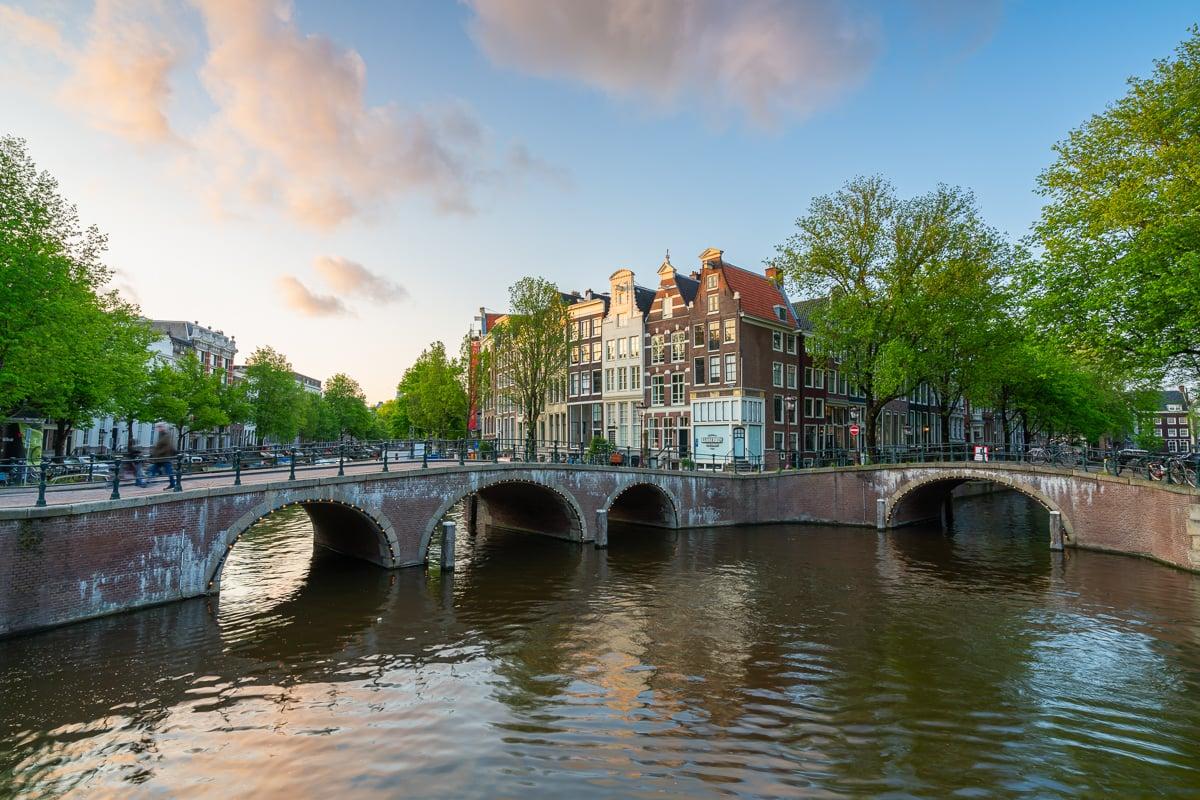
Keizersgracht canal. 18 mm, f/11, 1/6 sec, ISO 100
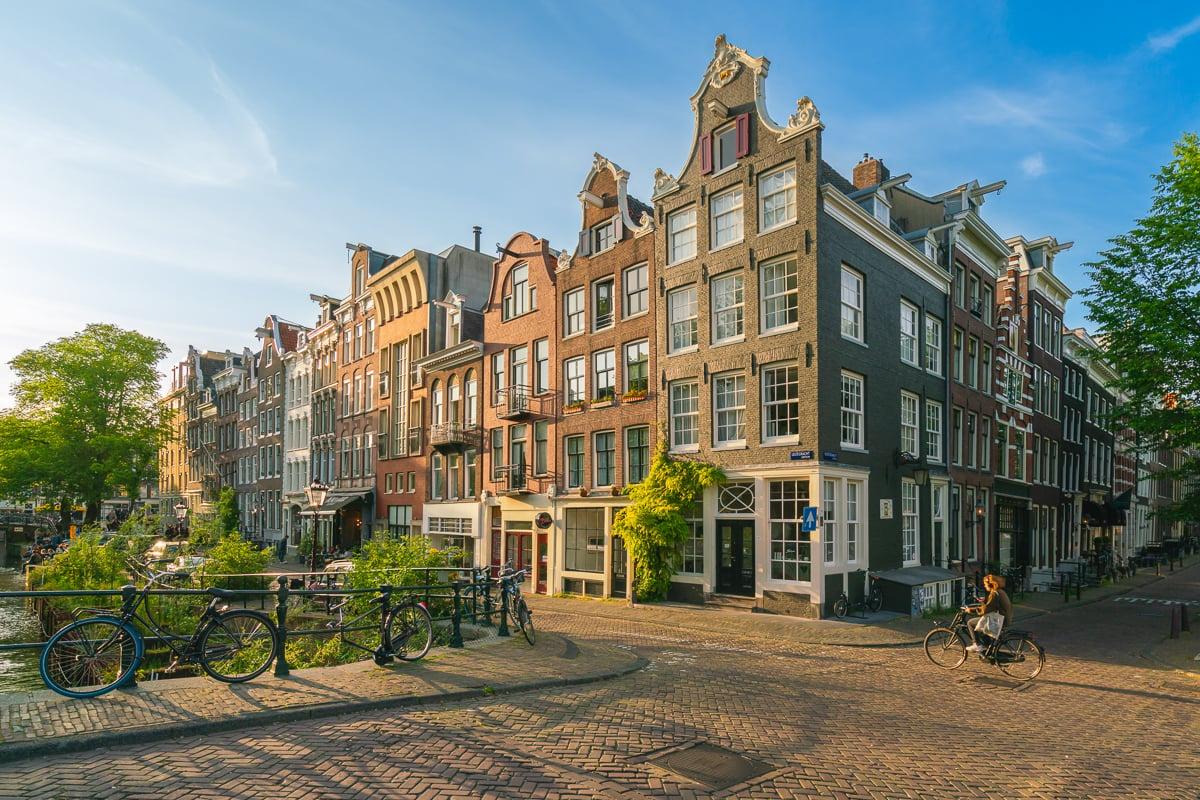
Houses by Keizersgracht canal. 17 mm, f/9, 1/640 sec, ISO 500
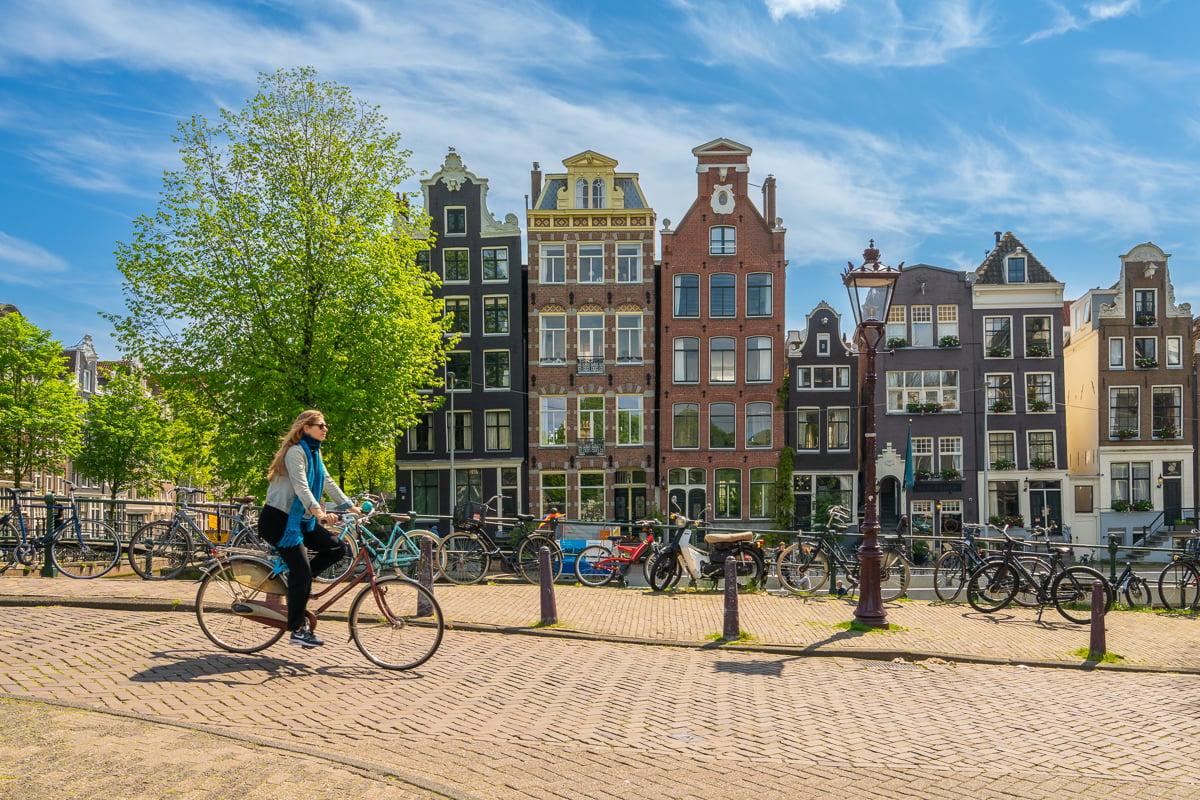
Herengracht canal. 29 mm, f/11, 1/400 sec, ISO 250
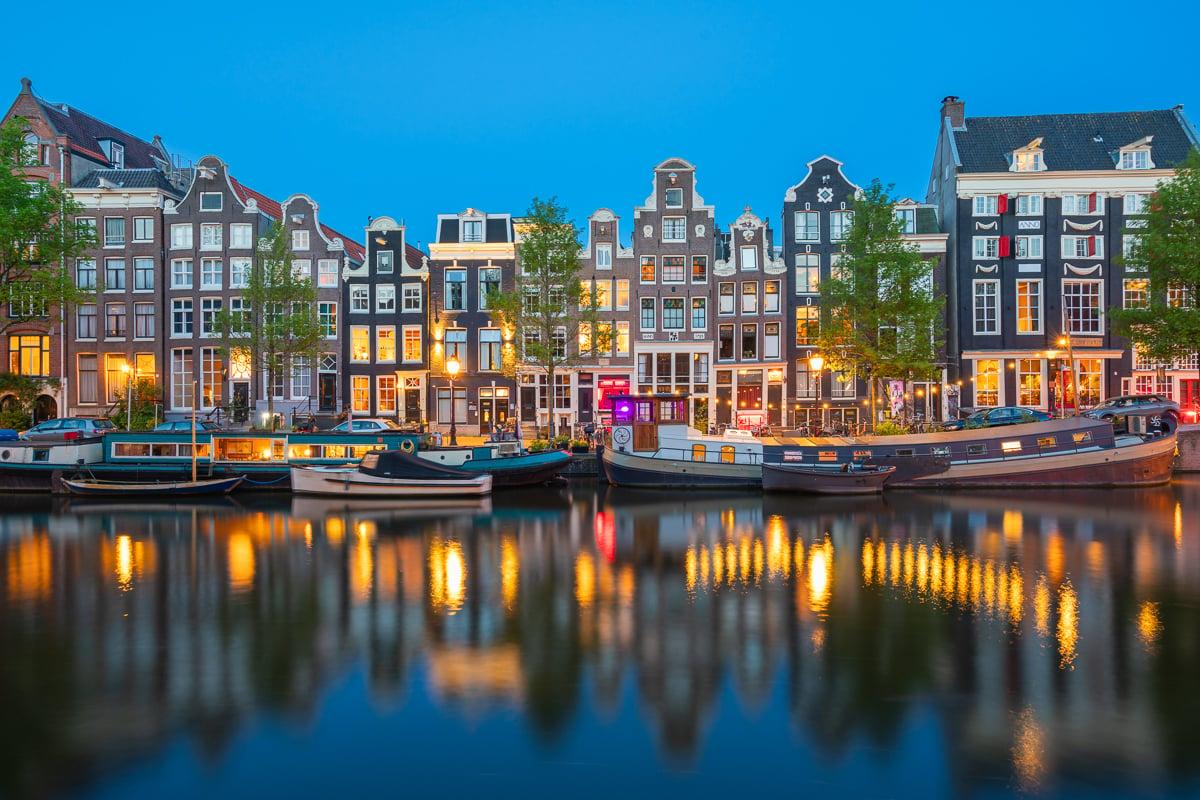
Singel canal. 21 mm, f/11, 30 sec, ISO 50
It's been a longer read than usual, but since I skipped the March issue, I wanted you to get something extra in April. I hope you enjoyed it, and I'm genuinely interested in your feedback on the AI-powered editing.
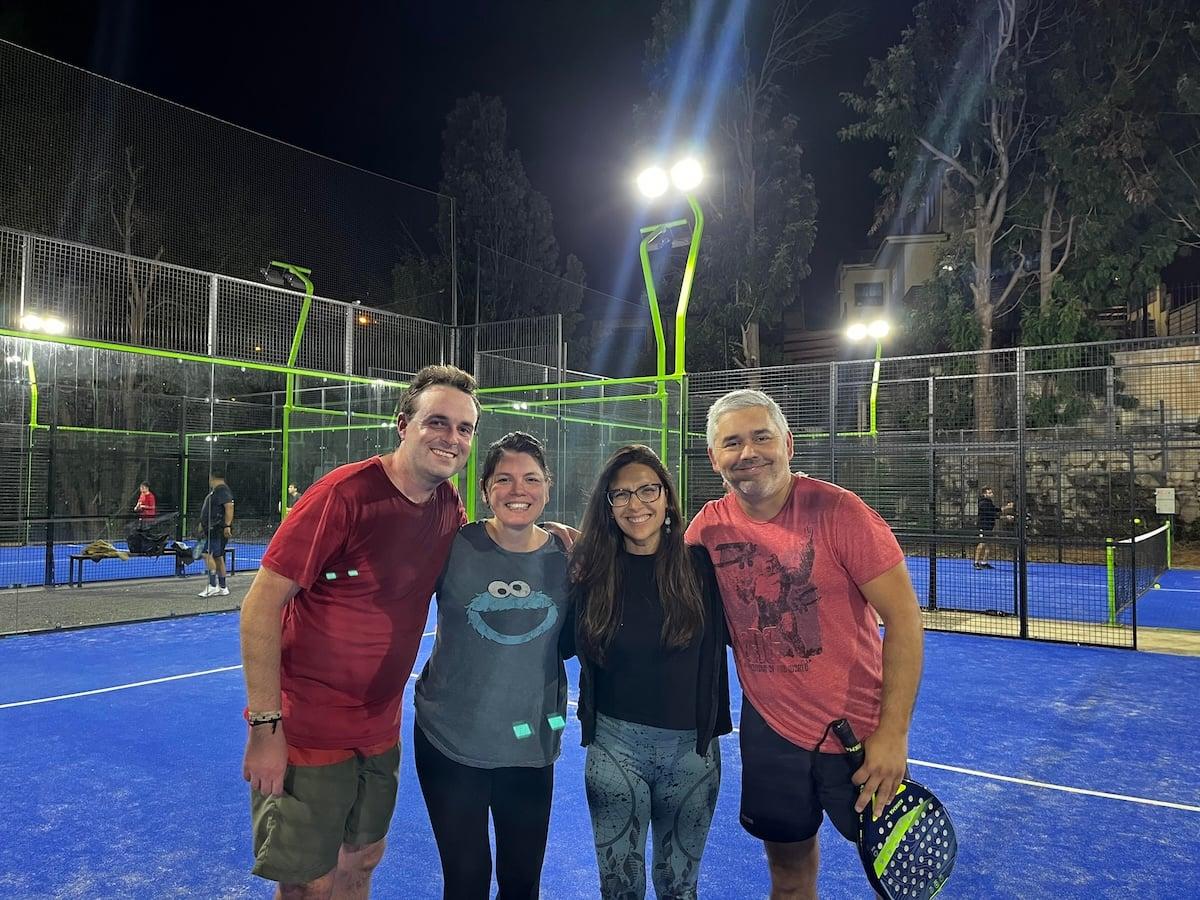
PS: Have you heard about a sport called padel? I hadn’t until a month ago when some friends in Chile suddenly talked about it. It's a racket sport, something between tennis and squash. Carolina's friends took us to play, and it was super fun!
Enjoyed this? Get the next one.
I send tips like these about once a month. Free, no spam, unsubscribe anytime.
Browse all past issues