🌅 Three lessons from 4,000 km on the road
Notes from 26 days across five countries, a photo gallery at the end, and what's coming next.
View original emailMay + June 2026 newsletter
I'm writing this from Zurich Airport, waiting for my flight back to Prague. Behind me sits one of the most memorable trips I've led in a while: a 26-day private photo tour weaving through the Czech Republic, Slovenia, Austria, Slovakia, and Switzerland.
The first 16 days were with a group of four photographers from the US and Canada; the final 10 days with just one of the couples who stayed on. Four thousand kilometers of driving, lovely company, and weather that behaved itself almost the entire time, which on a trip this long feels close to a miracle.
Twenty-six days on the road also means twenty-six days of small lessons. In this issue, I'm sharing three of them: a lens problem I didn't know how to fix (until one of the photographers in the group showed me how), what I learned about pacing yourself on a long photo trip, and why I'm only showing you 0.3 % of what I shot. Plus a small Uzbekistan update at the end.
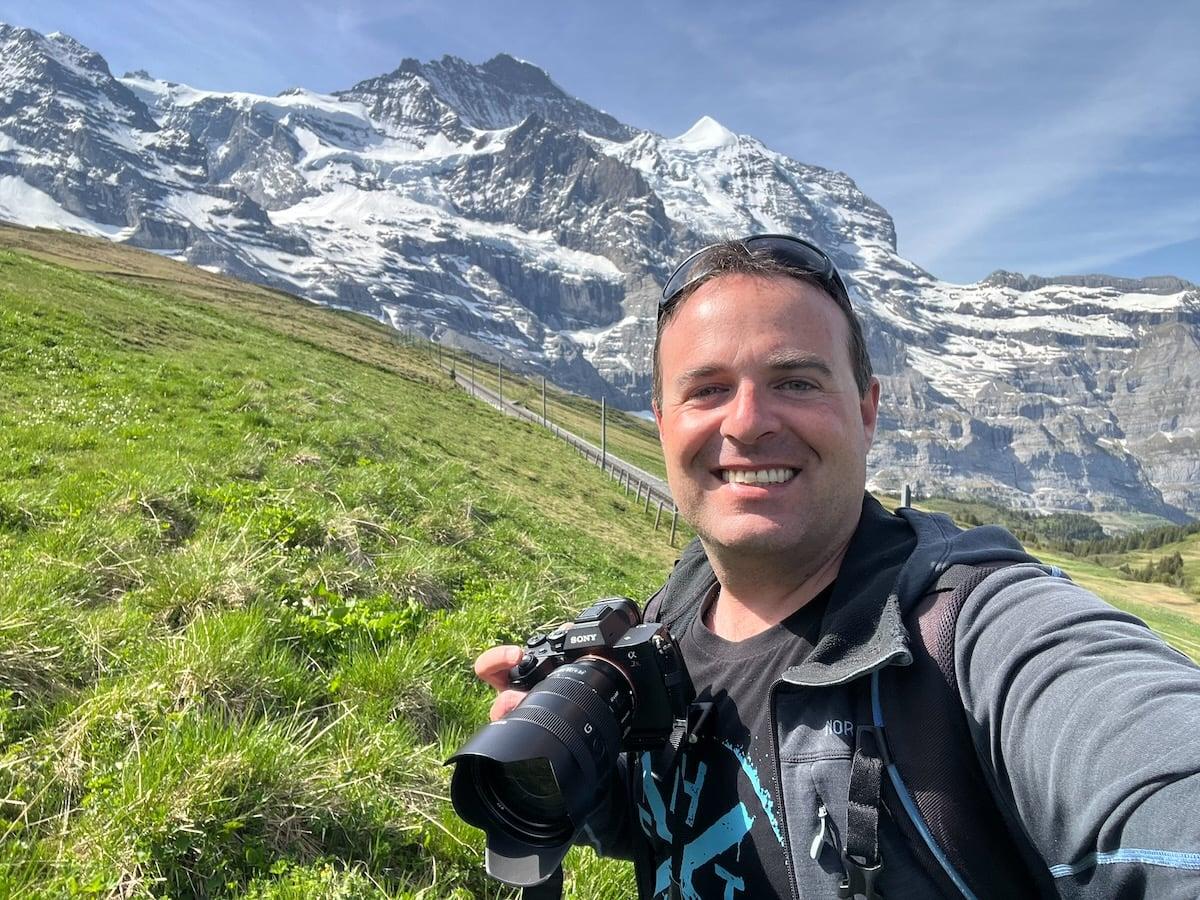
✨ Quick Tip: When your lens won't focus, try this before you panic
We were shooting in Lucerne, easily one of the most photogenic cities I've ever pointed a camera at. Midway through the session, something felt off. My images were soft. Not slightly soft, properly blurry. I switched from autofocus to manual focus to rule out an AF problem. Still blurry.
I noticed it within minutes, because I check sharpness on the back screen almost compulsively after a shoot. On a travel trip you usually can't come back tomorrow, so I'd rather catch a problem on location than discover it on the laptop three days later. Zoom to 100 %, look at one edge or face, move on.
Randy, one of the photographers on the trip, shoots Canon, and apparently Canon throws an error message when this happens. My Sony A7R V said nothing. Manual focus, autofocus, no warning, just blur.
I swapped to my 16-35 mm instead of the 24-105 mm and the images came back sharp instantly. I finished the blue hour shoot without losing the light, then asked Randy about it once we were back at the hotel. He'd seen it before, and the fix worked the first time I tried it.
(Side lesson: this is exactly why I always carry a second lens with a similar range. Not just redundancy, it's the difference between losing a blue hour and saving it.)
Here's how to do it:
- Turn the camera off.
- Unmount the lens.
- Pop the battery out, wait a few seconds, put it back in.
- Remount the lens.
- Turn the camera back on and test.
A 60-second routine that's worth trying any time sharpness suddenly falls apart and the obvious culprits check out.
A small thank-you to Randy. After ten-plus years of leading photo tours, I still pick up tricks from the photographers who join me, and that's one of the quietly fun parts of this job.
🌅 You don't have to shoot every sunrise
There's a quiet assumption in travel photography that serious people get up for blue hour every morning. On a 26-day trip, that assumption breaks down fast.
We did the full 4:30-departure treatment three times across the whole tour. The other twenty-some mornings, we left to shoot around 6:30. Streets were still empty, light was warm and soft, and nobody was running on four hours of sleep.
And on the mornings when the weather wasn't cooperating, or we'd already nailed the shot the day before, we just slept in and met for breakfast at 8:00 with no guilt and no lost shoot. It turns out 6:30 suits a lot of locations, and 8:00 breakfast is plenty for the rest.
The 8° trick
At 6:30 in late spring in Central Europe, the sun was sitting around 8° above the horizon. That's the goldilocks zone for street and architecture: warm, directional, soft enough not to blow out highlights, high enough to actually see into shadows. Roughly anything below 10° gives you that quality. Above 20° or so, light goes flat and contrasty.
If you want to plan around this instead of around the official sunrise time, app.photoephemeris.comor the PhotoPills app both show sun elevation minute by minute. Pick the time when the sun crosses ~8° and work backward from there.
The honest trade-off
When you skip blue hour, you give up potential color in the sky. On a short trip, that's a real cost and I'd push you to get up anyway. On a long trip, I'm willing to trade those skies for everyone's energy and mood. The trip itself has to stay enjoyable. Sleep deprivation drains the fun out of a tour faster than anything else, and once it goes, it doesn't come back.
You shouldn't feel guilty about skipping mornings. Overall trip experience, with decent sleep, almost always outweighs one more sky.
When blue hour still earns the alarm
The question isn't "do I get up?", it's "is this location worth it?" Some are:
- Pure landscape scenes where the sky is part of the subject. Lake Bled at first light is a different photograph than Lake Bled at 9 am.
- Iconic crowded landmarks shot wide where you need a clean foreground. Charles Bridge with nobody on it only happens before dawn.
Some aren't:
- Anywhere you're shooting from distance and people in the frame don't break the composition (most viewpoints, most bridges).
- Anywhere the landmark is lit only in the evening, which is true for a lot of European cathedrals and bridges. Morning blue hour gives you a dark silhouette, evening blue hour gives you the postcard.
A small reframe that often solves the whole problem: shift the season. In mid-September, morning blue hour starts around 6:32. Same light, no alarm clock at 4:30. If your travel dates are flexible, that one decision is worth more than any 4:30 wake-up.
📷 Why I'm only showing you 0.3 % of what I shot
On this trip I made 3,600 frames. In the gallery at the end of this email, I'm sharing eleven of them. That's 0.3 % of what I captured.
Most of you will scroll through those photos and think, okay, Jan's a decent photographer. What you won't see: maybe a few hundred shots I'd consider solid, around 3,000 that are forgettable, and somewhere around 50 frames of pavement, my own feet, and the inside of my lens cap. That's normal. That's what 26 days of pointing a camera at the world actually looks like.
Here's the lesson though, and it's the one I'd most want you to take away from this email: people don't judge you by what you shoot. They judge you by what you share.
A portfolio of 10 strong images reads as "good photographer." The same person sharing 200 images, including the mediocre ones, reads as "okay photographer who shoots a lot." The work that earns you the first reaction happens after the shutter, in the cull.
The one question to ask before you hit share:
Is this really one of my best photos from this session or trip?
If the honest answer is yes, post it. If it's "well, kind of," skip it. One genuine keeper does more for how people perceive your work than that same keeper surrounded by nine mediocre frames. Less almost always wins.
(I'm putting together more content on my actual culling workflow soon, so I'll save the step-by-step for then.)
It's not deletion, it's curation. And it's the single fastest way to be perceived as a better visual artist, without taking a single new photo.
🌏 Inspiration from Central Europe
The trip opened with my signature 10-day Czech Republic photo tour as the foundational leg, then continued through Lake Bled and Ljubljana in Slovenia, Bratislava in Slovakia, Vienna and Innsbruck in Austria, and Lucerne, Lauterbrunnen, Jungfraujoch, and Zurich in Switzerland. Lakes, alpine valleys, old towns, and a few altitudes I don't usually shoot at.
If you're thinking about your own version of this kind of trip, my honest pick for best months in Central Europe is April, May, and September. Spring gives you fresh green, manageable crowds, and dramatic weather. September gives you the late warmth, golden tones, and short enough nights to make blue hour reasonable without a 4:30 alarm (see the previous section).
Here's a small selection of frames I'm proud of from the road; I focused on places outside of Czechia, so I don't repeat myself too much. EXIF in captions, in case you want to see the choices behind each one.
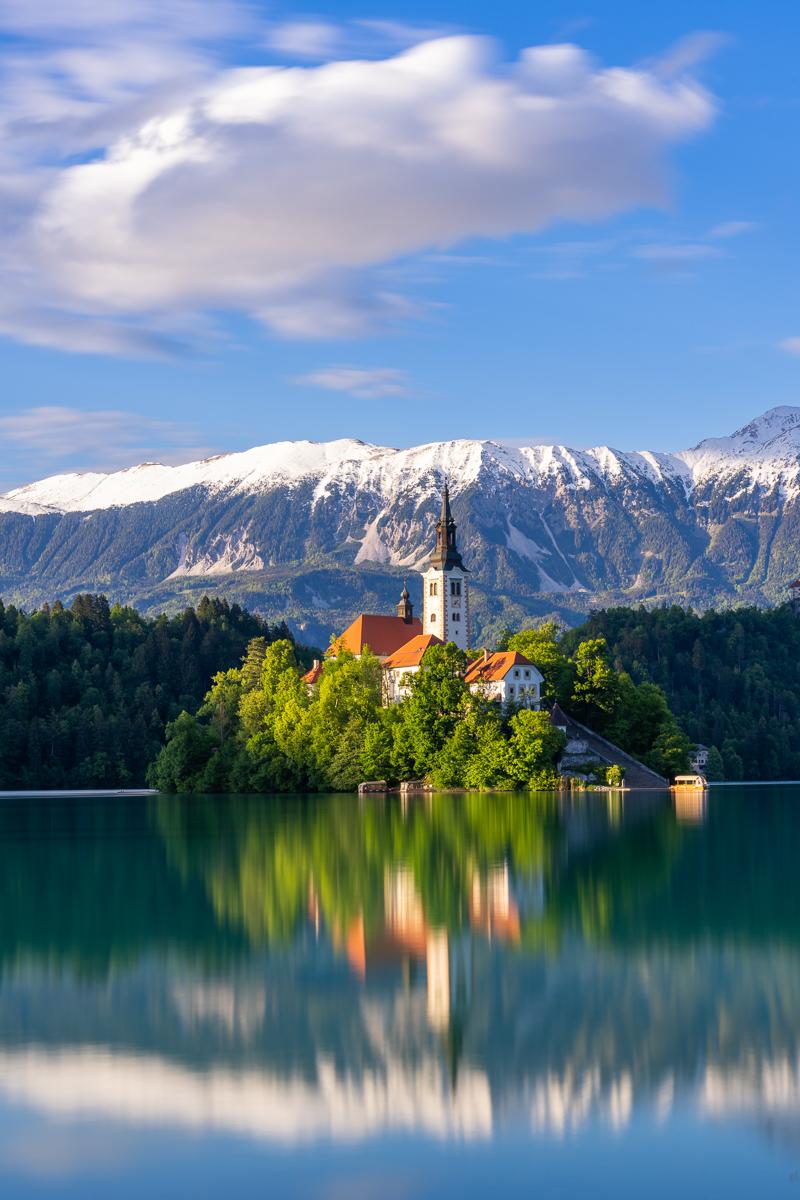
Lake Bled, Slovenia.60 mm, f/13, 30 sec, ISO 50. 10-stop ND filter used.
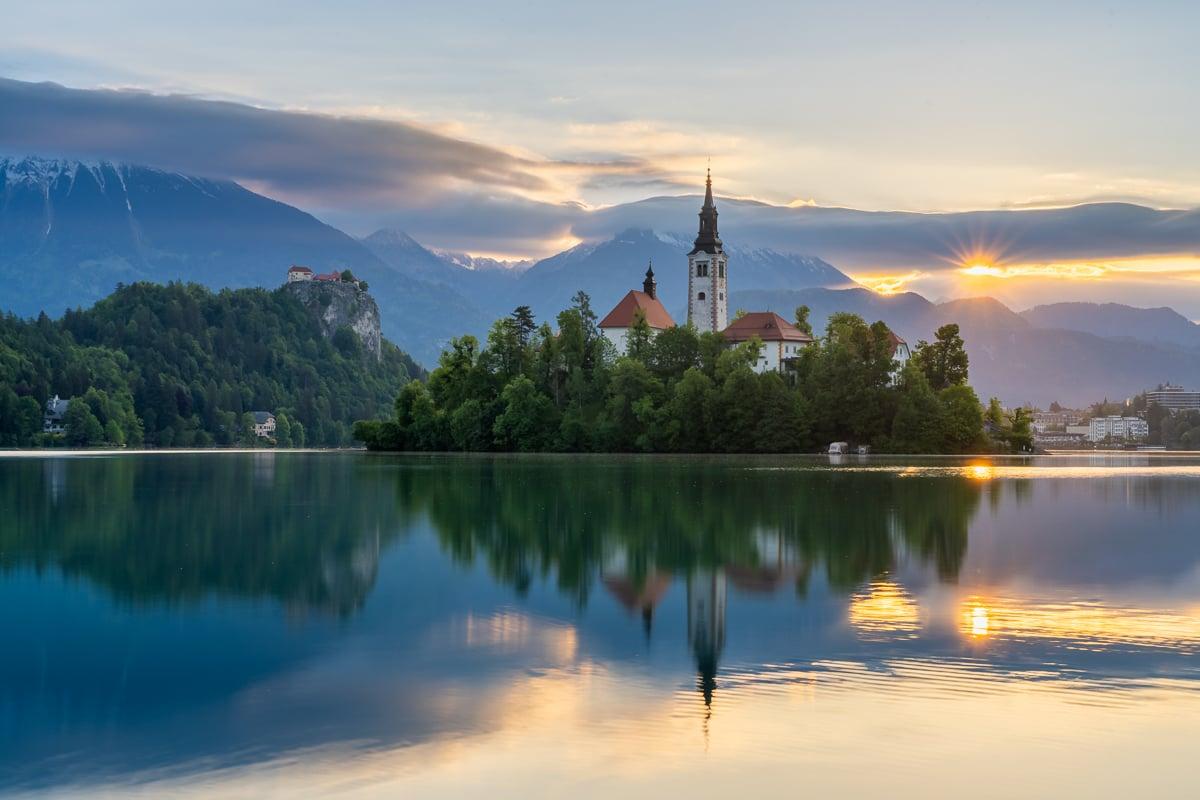
Lake Bled, Slovenia.58 mm, f/16, 1/4 sec, ISO 320. 9-exposure HDR.
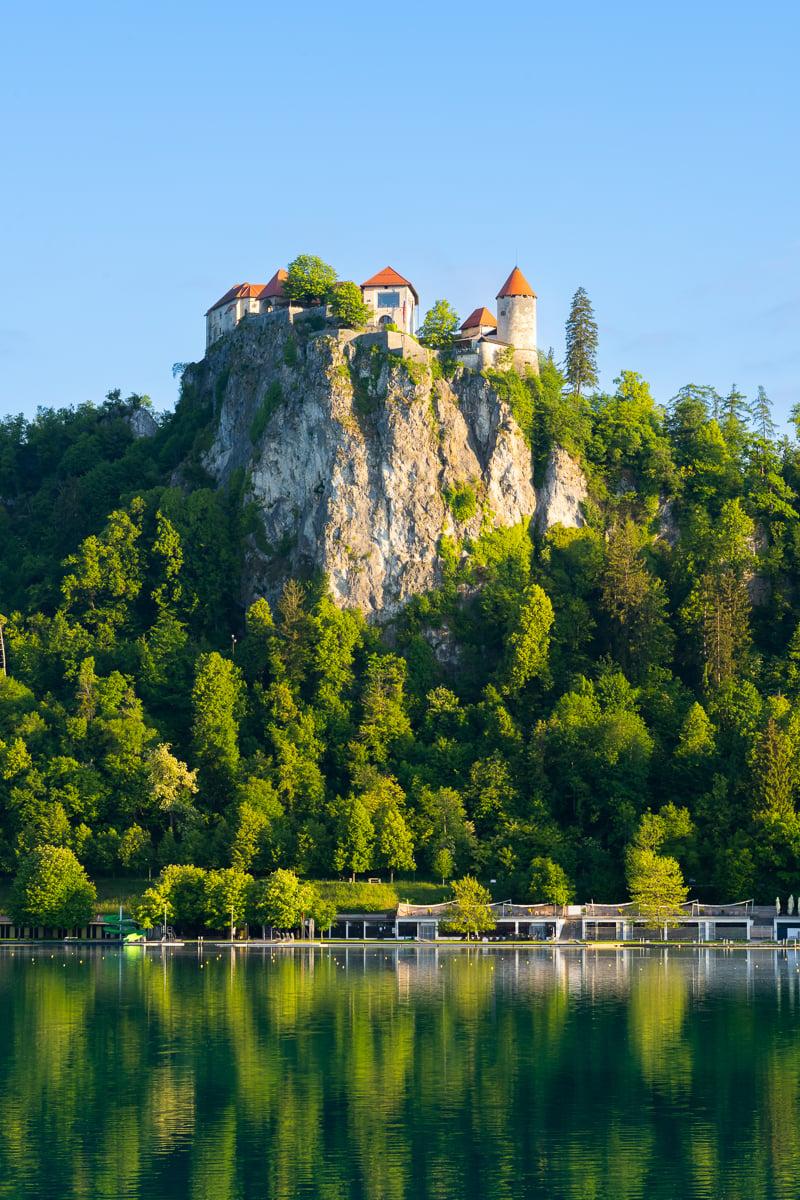
Bled Castle, Slovenia.102 mm, f/11, 1/125 sec, ISO 500.
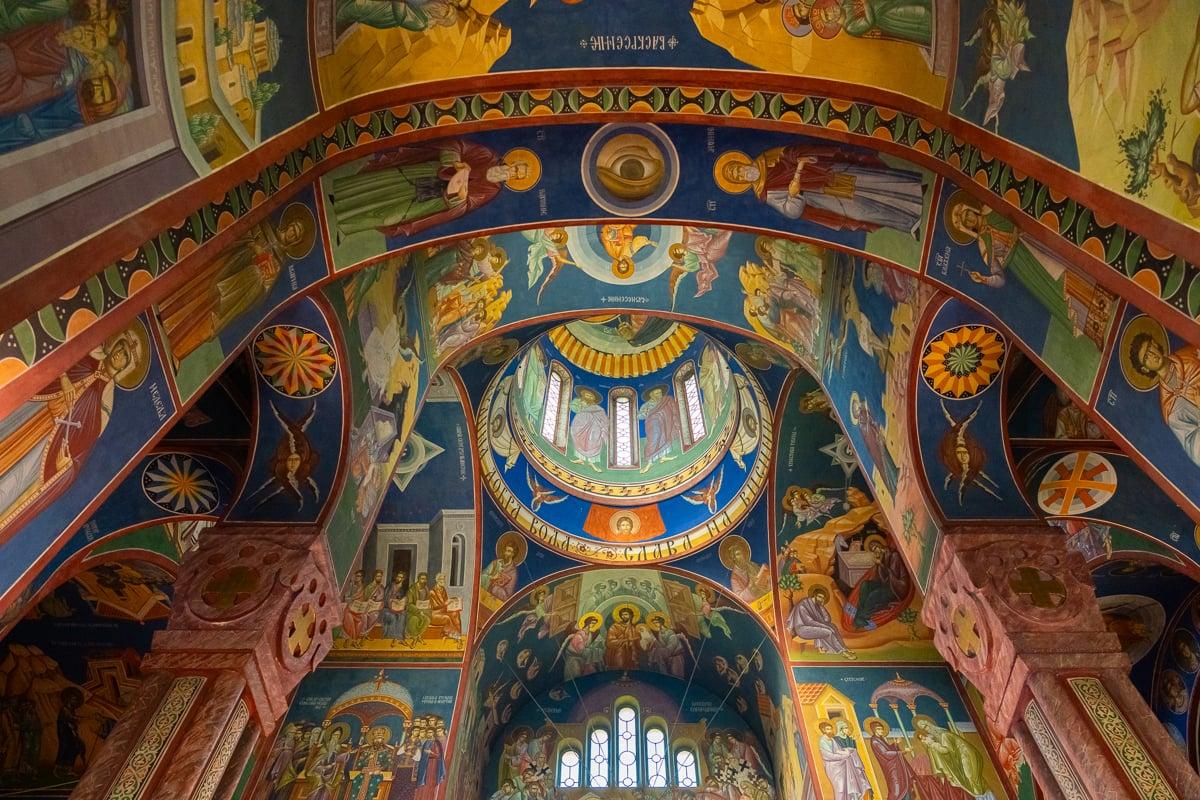
Cyril and Methodius Church, Ljubljana, Slovenia.24 mm, f/5.6, 1/30 sec, ISO 4000.
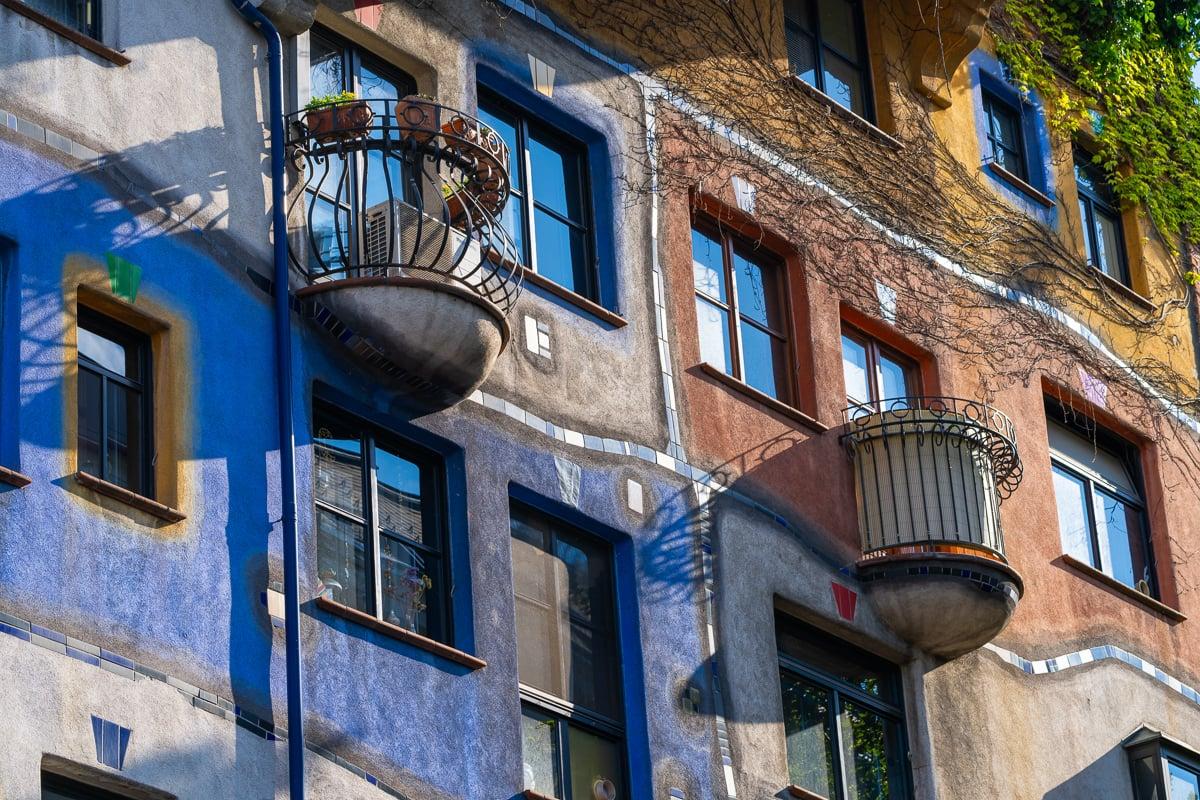
Hundertwasserhaus, Vienna, Austria.107 mm, f/9, 1/125 sec, ISO 125.
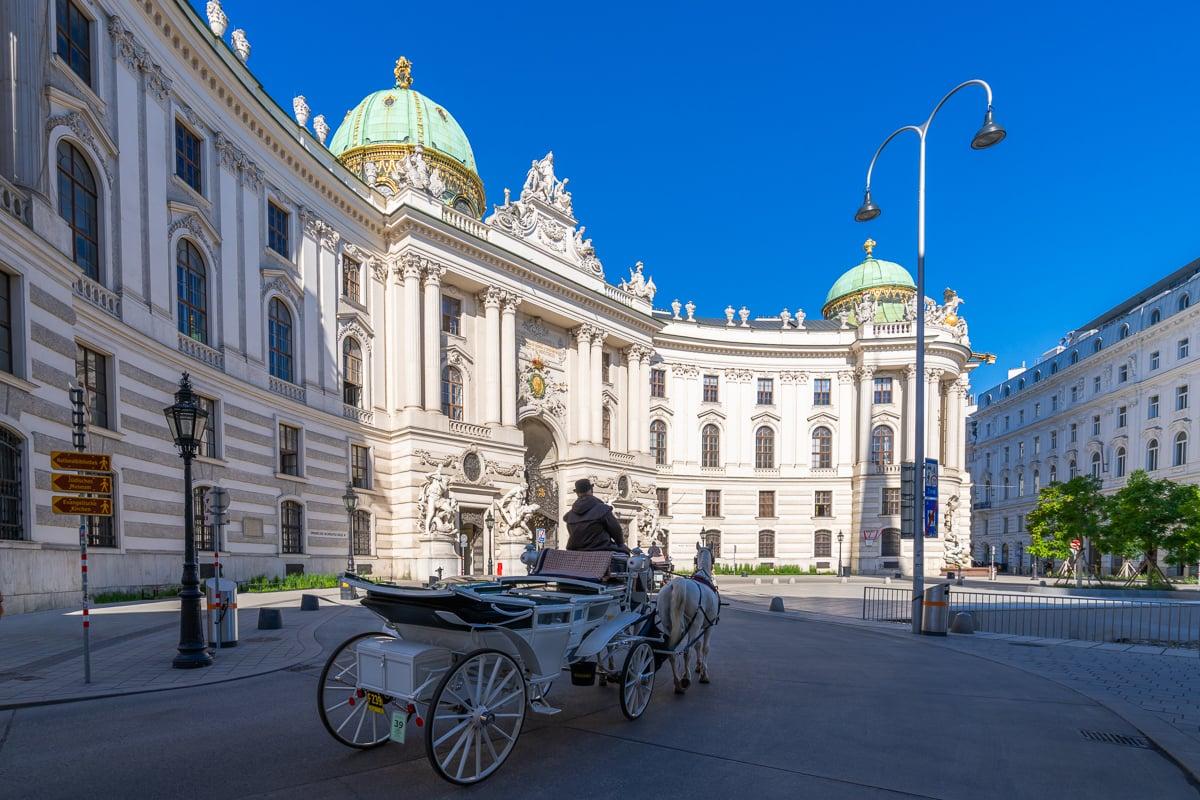
Hofburg Castle, Vienna, Austria.16 mm, f/11, 1/250 sec, ISO 100.
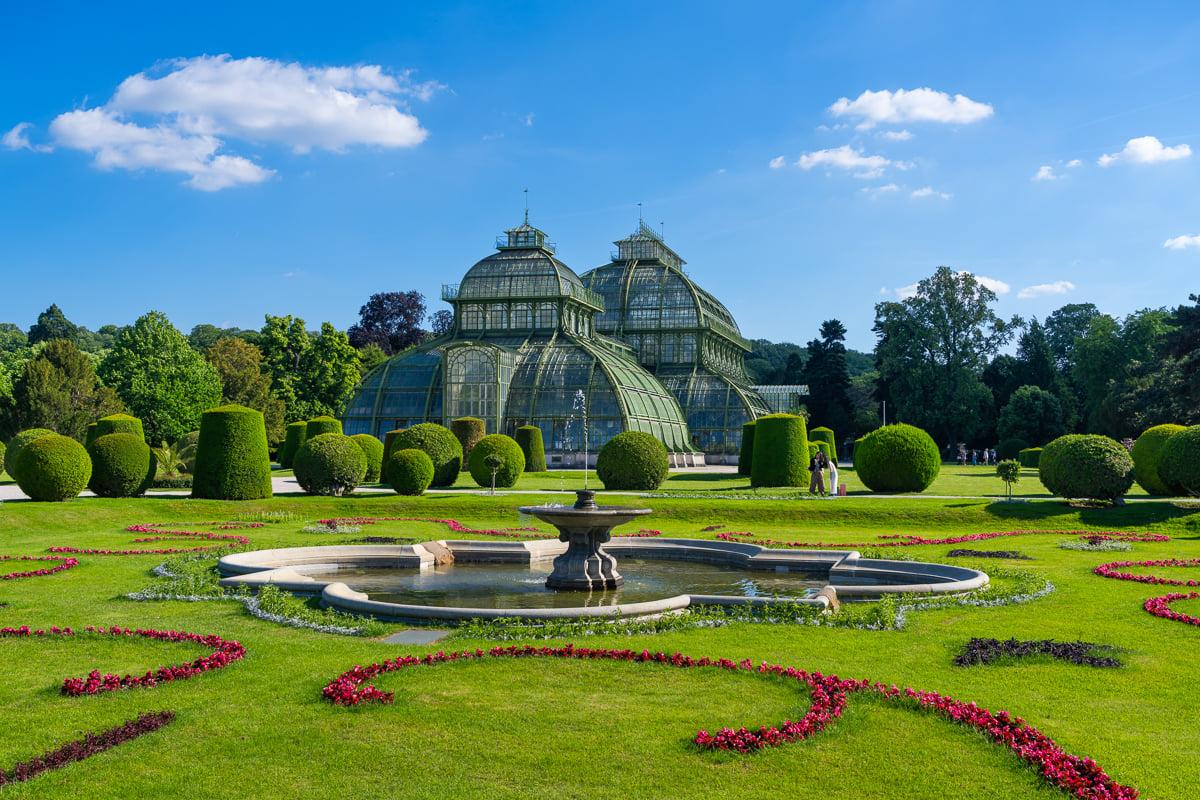
Palm House, Schönbrunn, Vienna, Austria.35 mm, f/8, 1/250 sec, ISO 100.
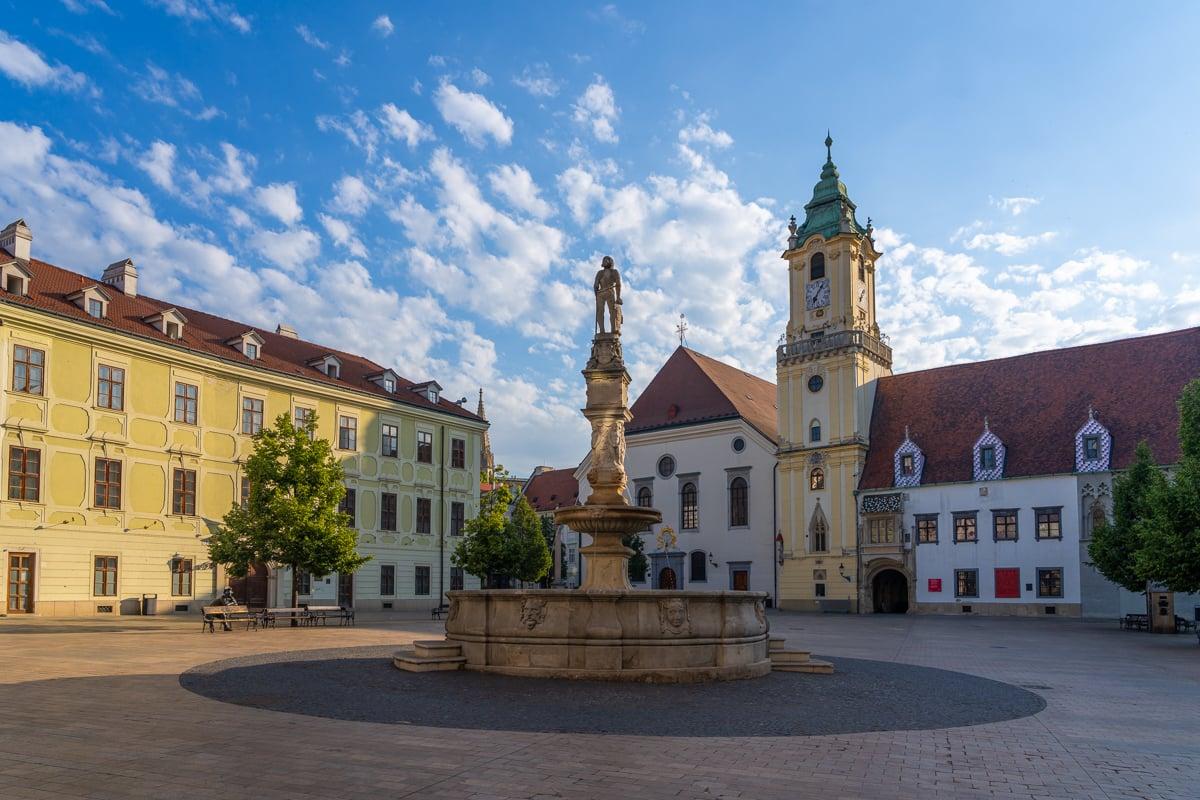
Main Square in Bratislava, Slovakia.24 mm, f/9, 1/400 sec, ISO 100.
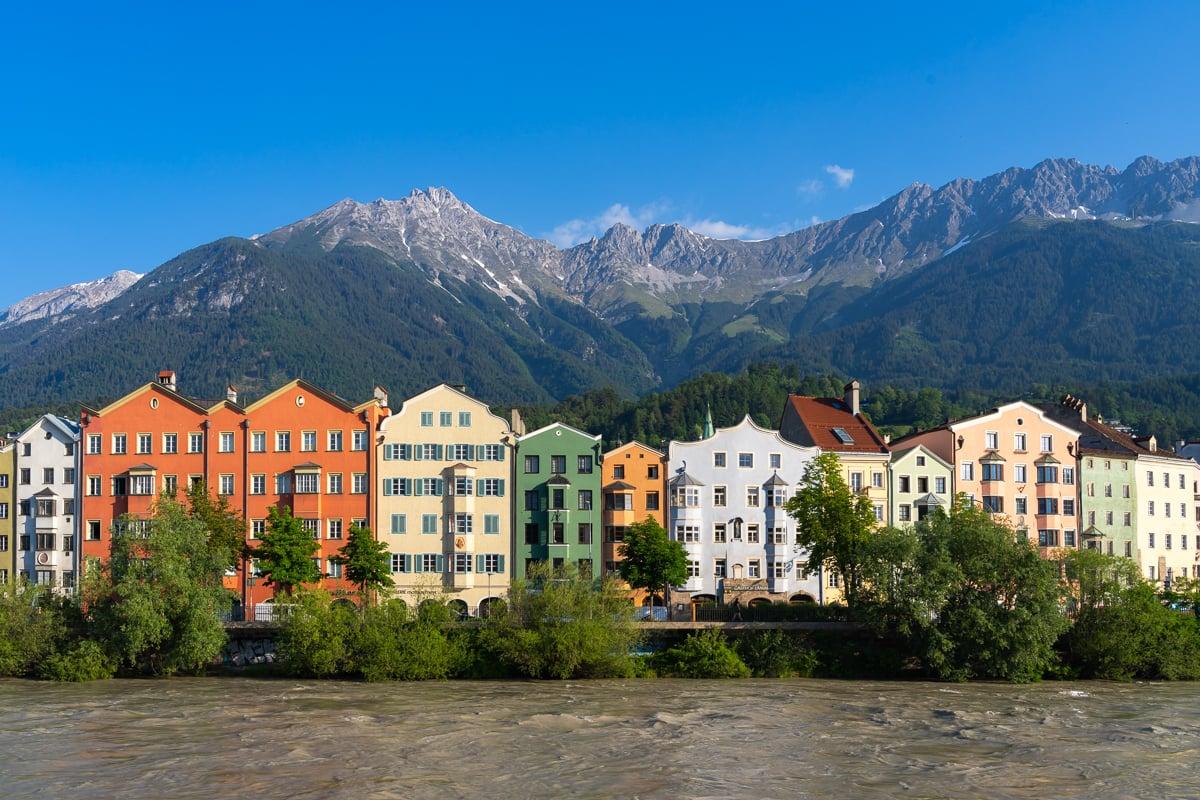
Colorful houses by the Inn river, Innsbruck, Austria.31 mm, f/11, 1/125 sec, ISO 100.
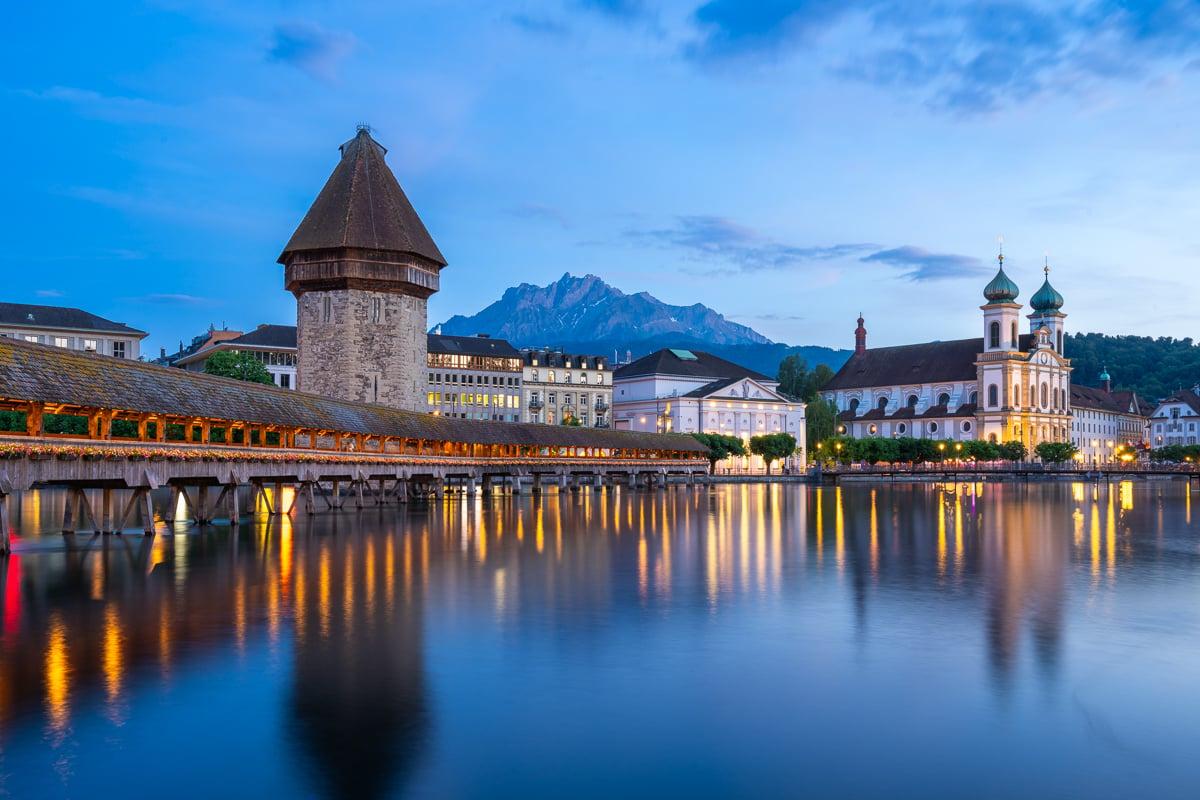
Watertower and Chapel Bridge, Lucerne, Switzerland.30 mm, f/16, 20 sec, ISO 50.
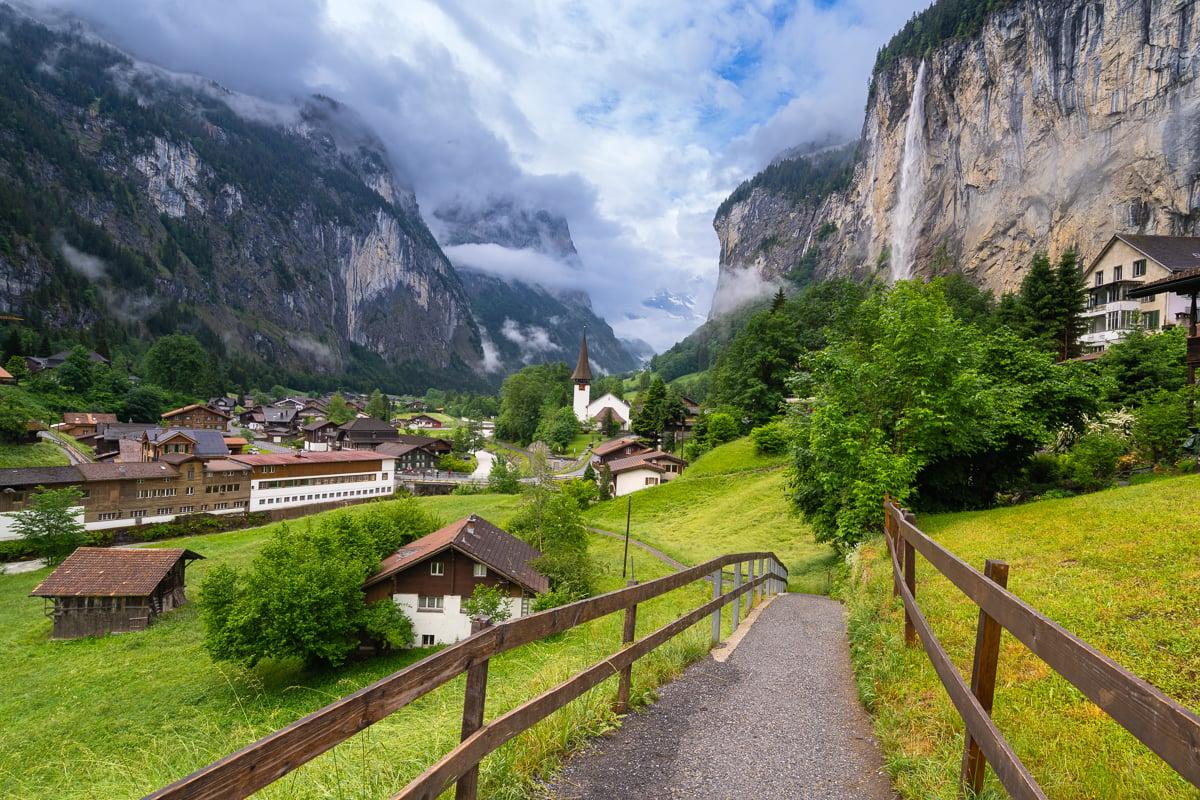
Lauterbrunnen, Switzerland.20 mm, f/11, 1/50 sec, ISO 100.
🌍 Upcoming Tours
Two short updates before I let you go.
🇨🇿 Czech Republic photo tour, May 2027
I'll be announcing dates for the next edition of my 10-day Czech Republic photo tour soon. Same itinerary that opened this 26-day trip, capped at four participants only. If you'd like to be on the waitlist and hear about the dates before they go public, just reply to this email with "CZ waitlist" and I'll add you.
🇺🇿 Uzbekistan, October 2027
I mentioned this one back in January and I'm happy to say it's moving forward. June is the month I'll be doing the deeper planning work, so the next newsletter will have something more concrete to share: dates, rough itinerary, costs.
If you missed the original write-up, the short version is: a 12-day journey through Samarkand, Bukhara, and Khiva, mid-October 2027, designed for photographers and their non-photographing partners. Small group, ten people maximum.
If Uzbekistan is on your radar and you'd like updates as the plan firms up, you can register your interest here and I'll make sure you're the first to hear.
Wrap up
By the time this lands in your inbox, I'll be back in Prague, deep in editing 3,600 photos down to the keepers we just talked about. Summer is here, the next big planning push (Uzbekistan, the next CZ tour, a few personal trips) is queued up, and the rhythm of being home is slowly coming back.
I hope you have a wonderful summer, with plenty of small photographic adventures of your own. And if you ever hit a problem you can't shake, on a trip or at your desk, you can always reply to this email. I read everything and I'm happy to help where I can.
Thanks for being here, as always.
Enjoyed this? Get the next one.
I send tips like these about once a month. Free, no spam, unsubscribe anytime.
Browse all past issues